


Located on Faro’s doorstep, Ria Formosa Natural Park is a stunning haven for hundreds of bird species. And you can encounter some of these creatures on one of our Ria Formosa birdwatching boat tours! Led by an expert nature guide, these excursions provide an unparalleled opportunity to observe the region’s diverse birdlife in their natural habitat.
Among the many fascinating species that call this wetland home, the Common Coot (Fulica atra), also known as the Eurasian Coot, stands out as a particularly interesting bird. Often mistaken for ducks, these distinctive waterfowl have their own unique characteristics and behaviours, making them a favourite sighting for nature enthusiasts exploring the Algarve’s waterways.
If you’re planning on joining us for a birdwatching experience, we have provided a closer look below at the Common Coot so you can get to know this wonderful bird better before your adventure. Scroll down to get started! And if you have any questions for the Formosmar team, please just get in touch for the answers you need.
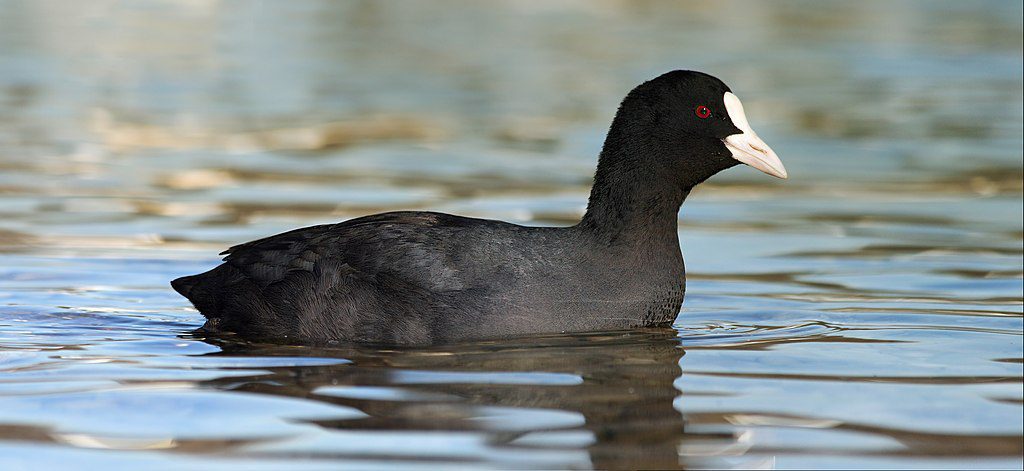
What Does the Common Coot Look Like?
The Common Coot is a medium-sized waterbird, typically measuring between 36 and 42 cm in length, with a wingspan ranging from 70 to 80 cm. Its appearance is striking: it has an entirely black body, offset by a distinctive white frontal shield on its forehead and a white beak. This stark contrast makes it easily distinguishable from other waterfowl found in Ria Formosa. Unlike ducks, which have webbed feet, coots have unique lobed toes that allow them to navigate both in water and on land with remarkable ease.
During the breeding season, some Common Coots may exhibit slightly darker plumage, while juveniles are often duller in colour, featuring a mix of grey and brown feathers with a less pronounced white frontal shield. Their vocalisations are also notable, with sharp, repetitive calls that can often be heard echoing across the waterways of Ria Formosa.

What is the Common Coot’s Habitat?
The Common Coot thrives in a variety of freshwater and brackish environments, making Ria Formosa’s diverse landscape an ideal location for this species. These birds prefer calm, shallow waters with plenty of vegetation, where they can forage and build their nests. Lagoons, marshes, reservoirs, and lakes are all favoured habitats for coots, and the sheltered waters of Ria Formosa provide them with perfect conditions for breeding and raising their young.
Throughout the reserve, Common Coots can often be seen paddling near reed beds, where they find both shelter and an abundance of food. Unlike some migratory species, coots are largely resident birds, meaning they can be observed in Ria Formosa throughout the year. However, their numbers do fluctuate seasonally, particularly during the winter months when populations may increase due to migratory birds arriving from northern Europe.
If you’re looking for more reading about birdlife in our part of the Algarve, be sure to check out our Birdwatching Guide to Ria Formosa when you have finished here.

What Does the Common Coot Eat?
The Common Coot has an omnivorous diet, feeding on a mix of aquatic vegetation, invertebrates, small fish, and even the eggs of other birds on occasion. Their diet consists primarily of plant material such as algae, pondweed, and the stems and leaves of submerged plants. This reliance on aquatic vegetation makes Ria Formosa’s nutrient-rich waters an excellent feeding ground for coots.
In addition to plant matter, coots are opportunistic feeders and will readily consume small crustaceans, insects, and molluscs found within the wetlands. Their strong, serrated beaks allow them to grasp and tear apart food efficiently. Visitors on our Ria Formosa birdwatching boat tours may often observe coots diving beneath the water’s surface in search of their next meal or aggressively chasing off rival birds to protect their feeding territory.

When Can You See the Common Coot in Ria Formosa?
One of the advantages of birdwatching in Ria Formosa is the opportunity to observe the Common Coot year-round. Unlike some bird species that migrate to warmer climates in winter, coots are present in the Algarve in all seasons. However, their numbers often swell between autumn and early spring when birds from colder regions migrate south to take advantage of Ria Formosa’s milder climate and abundant resources.
During the breeding season, which typically spans from March to July, coots become particularly active, engaging in elaborate courtship displays. They build floating nests anchored among reeds and vegetation, carefully constructing them from twigs, grasses, and other plant materials. Visitors on Formosamar’s Ria Formosa birdwatching boat tour may be lucky enough to witness these fascinating behaviours, including parents fiercely defending their nests from intruders.

What Makes Ria Formosa a Special Haven for Birds?
Ria Formosa’s unique ecosystem provides a sanctuary for an astonishing variety of bird species, making it one of Europe’s top birdwatching destinations. The combination of freshwater, brackish, and saltwater environments supports an impressive diversity of wildlife, from waders and waterfowl to birds of prey and migratory species.
The reserve’s protected status ensures minimal human disturbance, allowing bird populations to thrive. Conservation efforts within Ria Formosa have also helped maintain its biodiversity, ensuring that future generations can continue to enjoy its natural beauty. To learn even more about this special place, read our Essential Guide to Ria Formosa Natural Park.
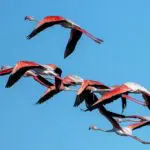
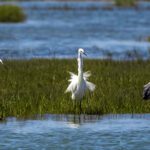
Formosamar’s guided birdwatching boat tours offer an exceptional way to explore this remarkable wetland and observe the Common Coot alongside other fascinating species such as flamingos, spoonbills, and ospreys. With expert guides leading the way, visitors can gain valuable insights into the behaviours, habitats, and conservation status of the Algarve’s diverse birdlife while experiencing the tranquillity of one of Portugal’s most stunning natural landscapes.
Discover more about our Ria Formosa birdwatching boat tours and book your spot early to avoid disappointment. If you have any pre-booking questions for us, please don’t hesitate to get in touch. The Formosamar team is here to help however we can.